 Tree Service Erie PA crew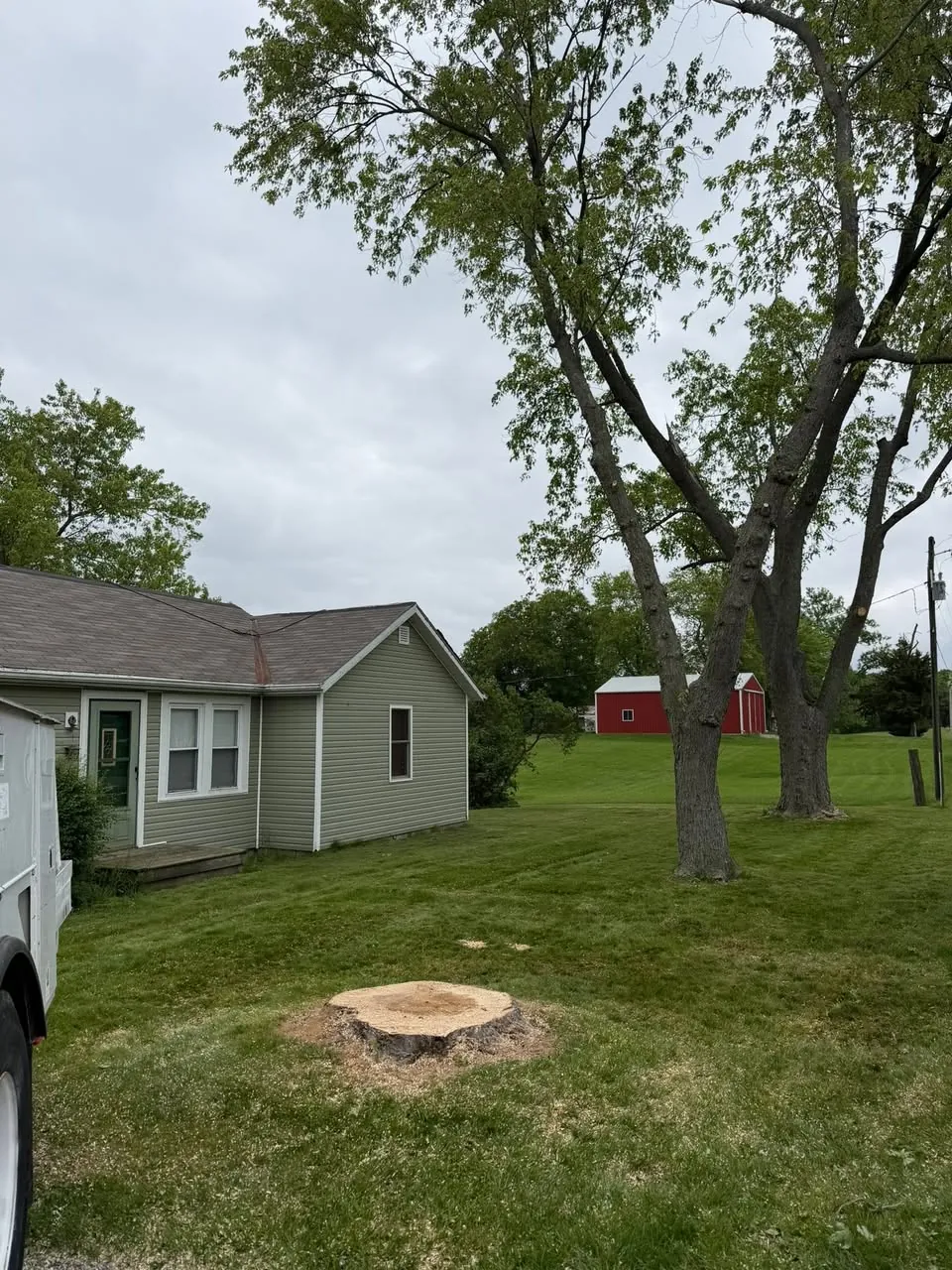
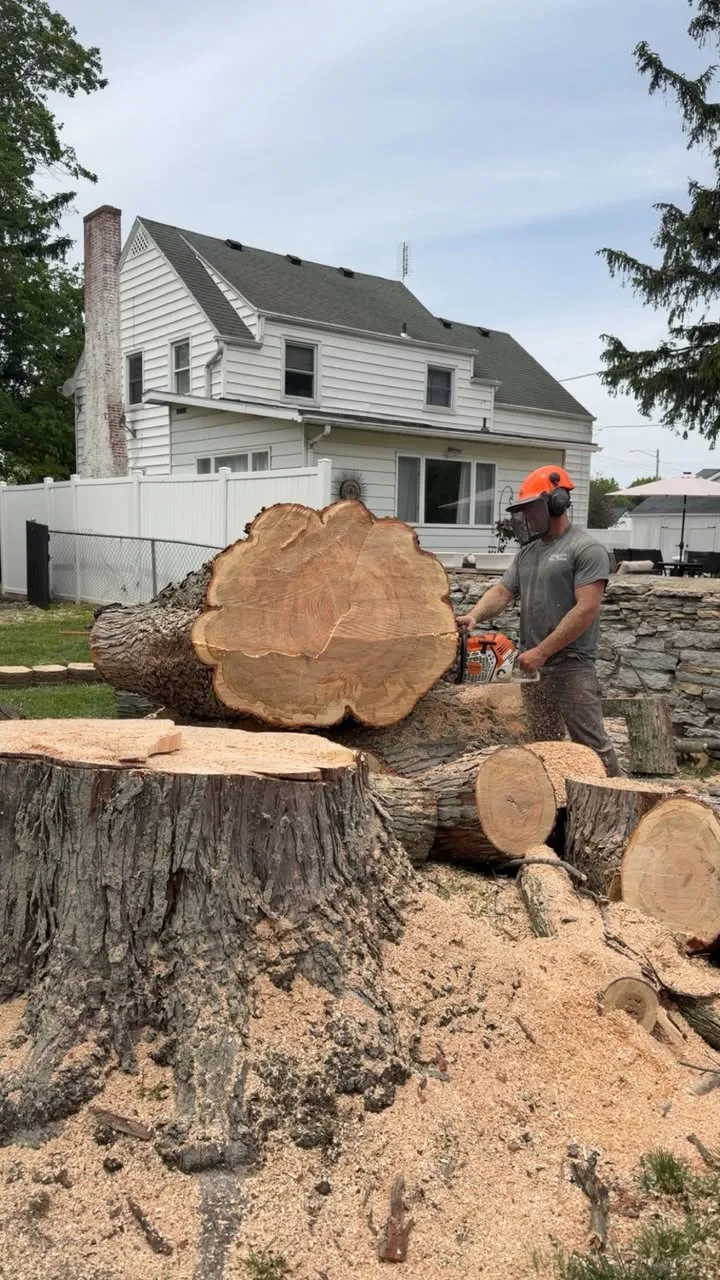
After a tree comes down, the stump is often the last thing standing between you and a flat yard. There are two ways to deal with it, and they're not equal in cost or effort.
Here's what each involves and when each one makes sense.
Stump grinding
A stump grinder uses a spinning wheel with carbide teeth to chew the stump into small chips, down below the surface of the lawn.
- Fast: most stumps take minutes to a couple of hours
- Leaves a shallow hole filled with grindings
- Roots below stay in the ground and decay slowly
Full stump removal
Digging out the stump and the main root ball with excavation equipment.
- Leaves a large hole that needs fill
- Much more disruption to the yard
- Only needed if you're building, pouring concrete or planting in that exact spot
Side by side
| Grinding | Full removal | |
|---|---|---|
| Speed | Fast | Slow |
| Yard disruption | Low | High |
| Roots left behind | Yes, below ground | Mostly removed |
| Best for | Lawns and beds | Construction sites |
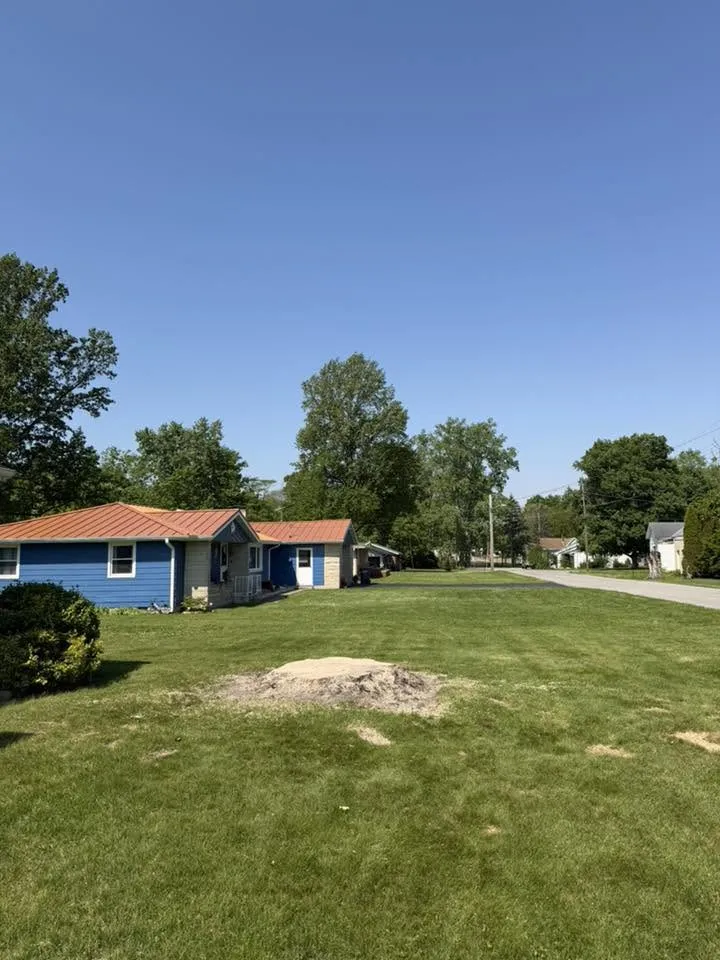
After grinding
- Rake out or remove the grindings.
- Fill the hole with topsoil.
- Seed or lay sod.
- Water and expect a little settling as roots decay.
Mark buried lines with a PA One Call ticket (811) before any grinding.
Need it fixed?
Stump Grinding & Removal across Erie County
A local Erie crew for removals, trimming, stumps and storm work, with phones answered around the clock.
Frequently asked questions
Can I just leave the stump?
You can. It will slowly rot, but some species sprout and rotting stumps can draw insects. It's also a mowing hazard.
How long does it take a stump to rot on its own?
Years, depending on species and size. Grinding gets you there the same day.
Will grinding damage nearby plants?
The grinder works close to the stump. Tell us about anything nearby you want protected.
Do stump removal chemicals work?
They speed up rotting but still take a long time and don't help much on big stumps.